Safety first: Lower in added sugar, not sugar-free. Not medical or nutrition advice; check with your doctor about your own diet. Please read our editorial guidelines before you start.
Key takeaways
- Cook the peas straight from frozen, 3 to 4 minutes, and pull them while they are still bright green.
- Use half olive oil and half butter so the garlic does not burn.
- Take the pan off the heat before the parmesan goes in, so it coats the peas instead of clumping.
In this post4 sections
Why this version works
We read the top versions of parmesan peas and the few reviews that exist. They agree on the basics: a 14 to 16 ounce bag of frozen peas, a little fat, lemon, and about a quarter cup of parmesan, in 10 to 15 minutes. The complaints were a clumped cheese and a burnt butter. Garlic, lemon zest and basil add the Tuscan flavor most plain versions skip. Parmesan is already salty, so the pan gets only a pinch of salt.
Watch the reel by @courtmakeshome on Instagram
Tested recipe
Tuscan Parmesan Peas
Frozen peas cooked in a skillet with garlic and lemon, finished off the heat with parmesan and fresh basil.
Ingredients
Peas
- 1 Tbsp olive oil
- 1 Tbsp unsalted butter
- 3 cloves garlic, thinly sliced
- 1 lb frozen peas, straight from the freezer, not thawed
- 1/4 tsp kosher salt
- 1/4 tsp black pepper
- 1/8 tsp red pepper flakes, optional
To finish
- 1 tsp lemon zest, from about 1 lemon
- 1 Tbsp fresh lemon juice
- 1/3 cup finely grated parmesan, about 1 oz, grated fine, plus extra to serve
- 2 Tbsp fresh basil, torn or thinly sliced
Steps
Zest the lemon, then juice it. Grate the parmesan finely and slice the garlic. Have everything within reach.
Heat the olive oil and butter in a 12-inch skillet over medium heat for about 1 minute, until the butter foams.
Add the garlic and cook 30 to 45 seconds, stirring, until fragrant and just starting to turn pale gold. Do not let it brown.
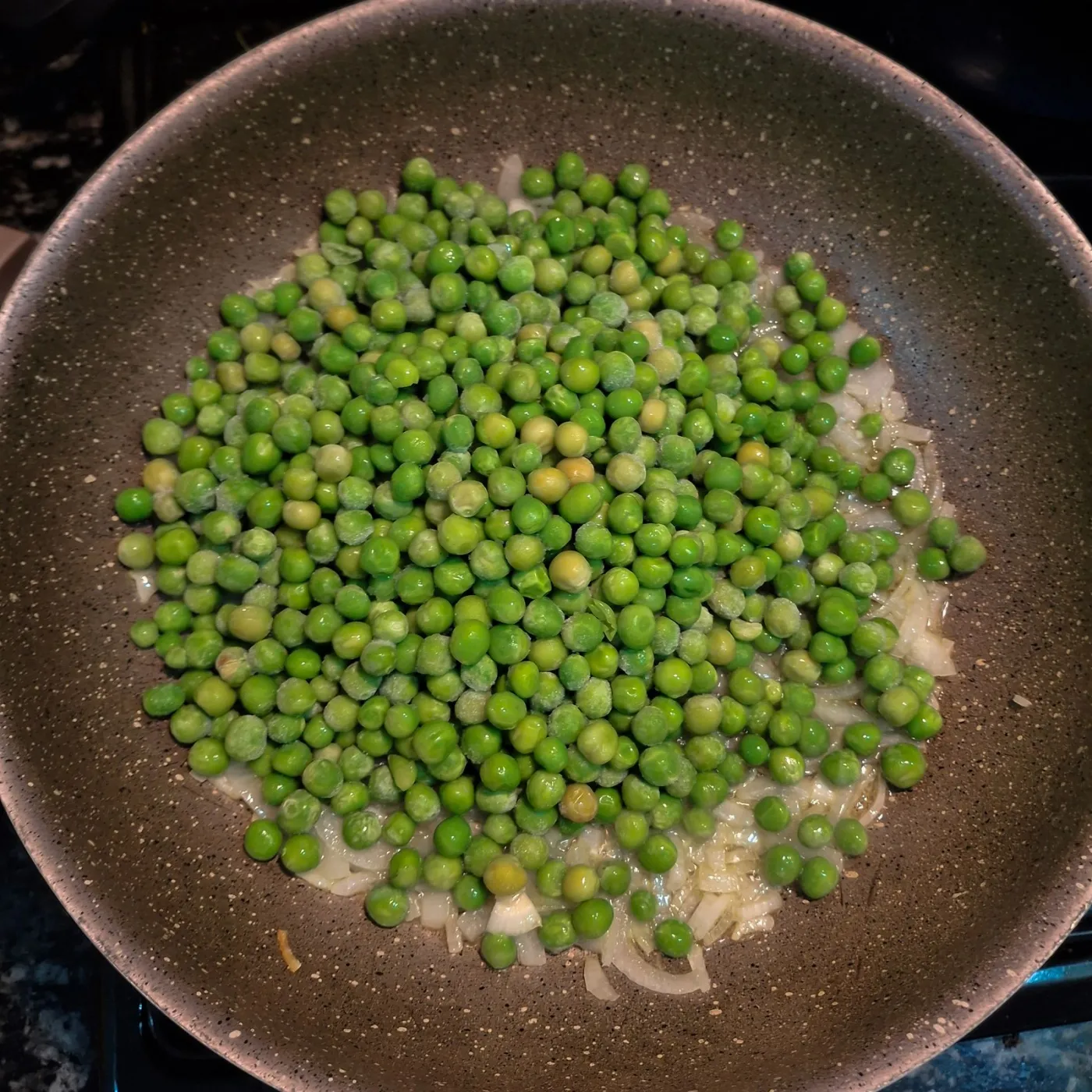
Turn the heat to medium-high. Add the frozen peas, salt, pepper and red pepper flakes if using. Cook 3 to 4 minutes, stirring often, until the peas are hot, bright green and tender when you bite one.
Take the skillet off the heat. Stir in the lemon zest and lemon juice, then let the pan sit for 30 seconds.
Sprinkle the parmesan over the peas and toss until it melts into a light coating. Taste, and add a pinch more salt only if needed.
Scatter the basil on top, add extra parmesan if you like, and serve right away.
Notes
- If the garlic browns, wipe the pan with a paper towel and start again with fresh garlic. Brown garlic tastes bitter.
- Grate the parmesan on the small holes of a box grater. Pre-shredded cheese is coated to stay loose and melts less smoothly.
- The peas are done when they are bright green. Cooking longer turns them dull and soft.
Swaps
- Use 1 shallot, diced, instead of the garlic.
- Fresh mint or parsley instead of basil.
- Use pecorino romano instead of parmesan, and skip the added salt.
Storage and reheating
Storage: Cool, then refrigerate in a covered container up to 3 days. Refrigerate within 2 hours of cooking.
Reheating: Warm in a skillet over medium-low heat for 2 to 3 minutes with a splash of water, until hot all the way through.
Where this recipe comes from
- Inspired by Parmesan Peas from Six Sisters' Stuff and Parmesan Peas from Oregon State University Extension.
- The idea came from this reel by @courtmakeshome.
What to serve with Tuscan parmesan peas
They go with roast chicken, a pork chop, baked salmon, or a bowl of pasta. They also hold their own on a Thanksgiving table next to the heavier sides, because the lemon keeps them light.
Frequently asked questions
Do I need to thaw the peas first?
No. Cook them straight from frozen over medium-high heat. Thawed peas release water and turn soft faster.
Why did my parmesan clump?
The pan was too hot, or the cheese was coarse. Take the skillet off the heat, wait 30 seconds, and use finely grated parmesan.
Can I use fresh peas?
We have not tested fresh peas. The frozen version above is the one we cooked.