Safety first: Lower in added sugar, not sugar-free. Not medical or nutrition advice; check with your doctor about your own diet. Please read our editorial guidelines before you start.
Key takeaways
- Shave the potato into thin ribbons and spread them in one layer, so they crisp instead of steaming.
- Turn the heat down to medium-low if the bottom darkens before a ribbon is tender in the middle.
- Cook the eggs until fully set, 160°F in the center, the USDA safe temperature for egg dishes.
In this post4 sections
What we found, and what we are guessing
We read one potato and egg skillet page in full (under Sources) and saw several more in search results. They agree on thin strands of russet-style potato, a hot nonstick pan, salt added early, and a lid on low heat to set the egg and melt the cheese. They differ on grated versus ribbon potato, how long the potato cooks first (about 5 to 10 minutes) and whether it is folded or served in a tortilla. The tip that came up most: keep the layer thin with gaps, or it steams. We saw almost no reviews, so we have no list of failures to fix. We kept the ingredients and the cover-and-set step from our reel. The pat-dry step, the heat-down rule, the thermometer check and the fridge times are our additions.
Watch the reel by @tubabetulkitchen on Instagram
Tested recipe
Crispy Potato, Egg and Cheese Skillet
Peeler ribbons of potato crisped in one nonstick skillet, topped with eggs and mozzarella, folded and cut into wedges. Serves 2.
Ingredients
- 2 medium potatoes, about 10 oz total; russet or Yukon Gold, peeled
- 1 Tbsp olive oil
- 3 large eggs
- 1/2 tsp kosher salt, Diamond Crystal; use half as much table salt, split between the potato and the eggs
- 1 pinch black pepper
- 1/2 cup shredded mozzarella, low-moisture, about 2 oz
- 1 Tbsp chopped chives, optional, to serve
Steps
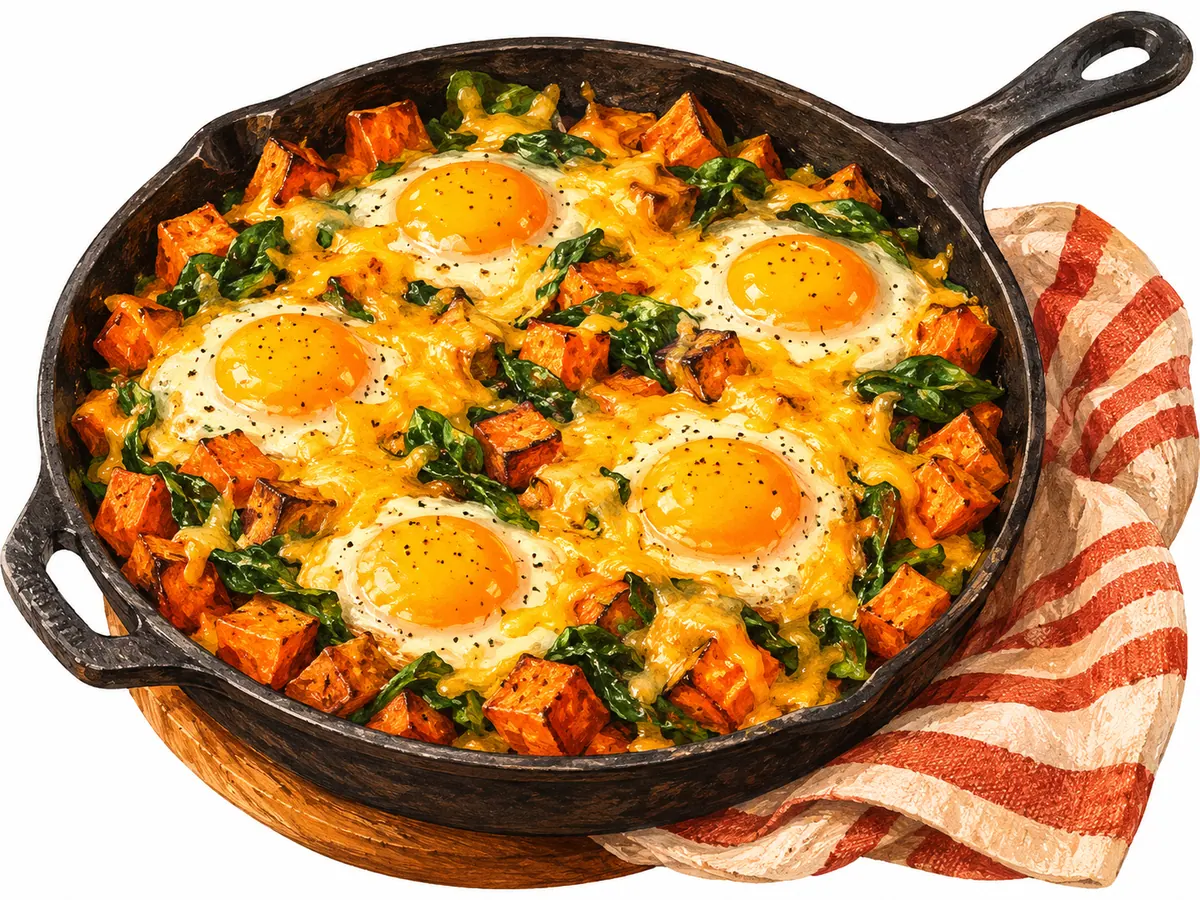
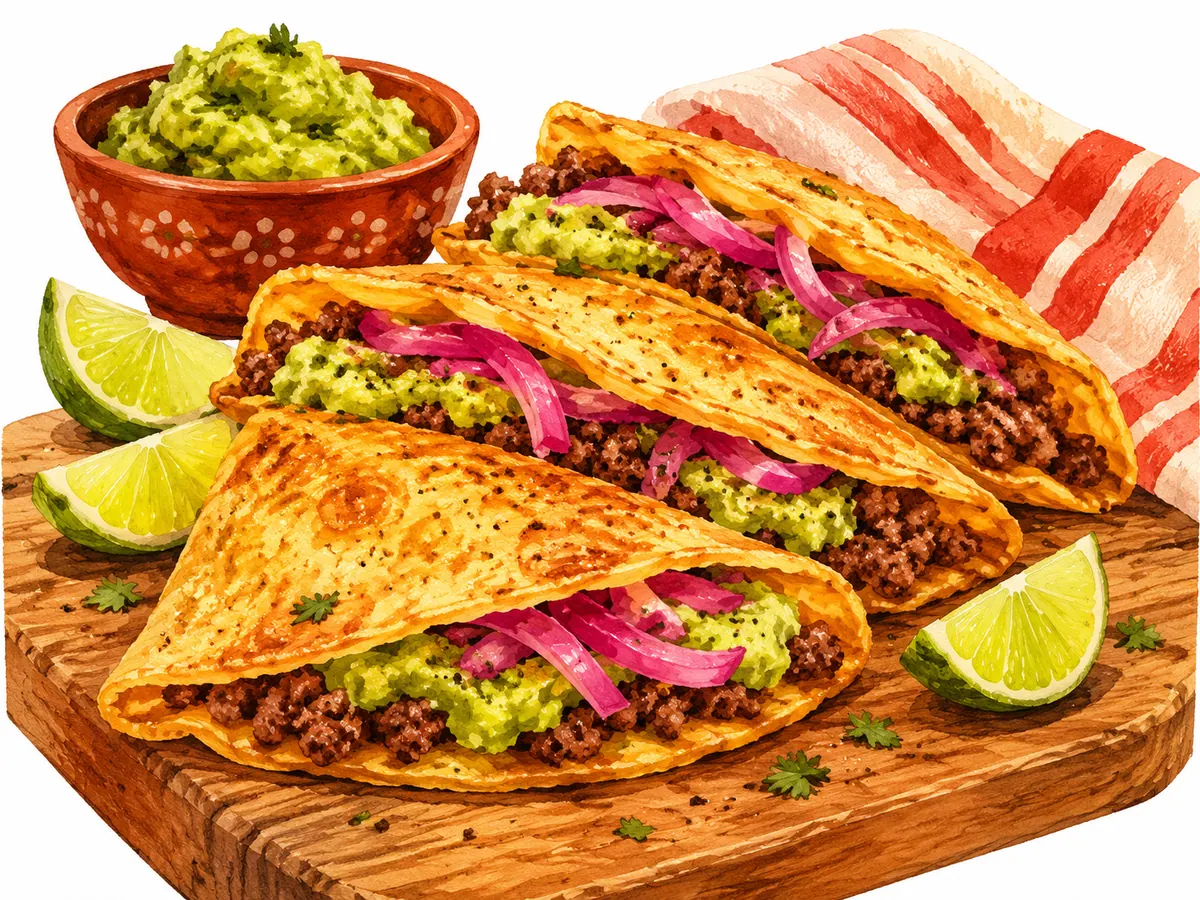
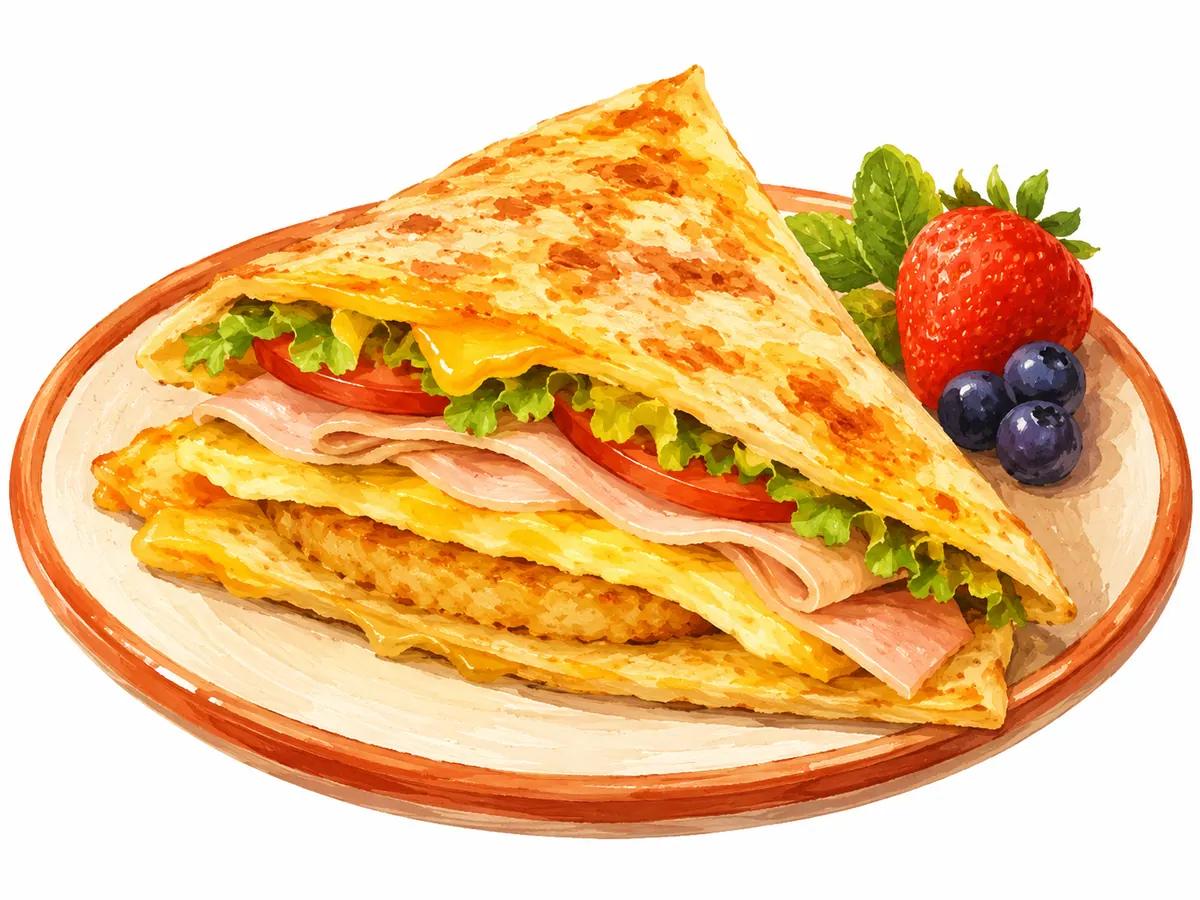
Step pictures are AI illustrations, not our dish. Our photos are coming after we cook it.
-
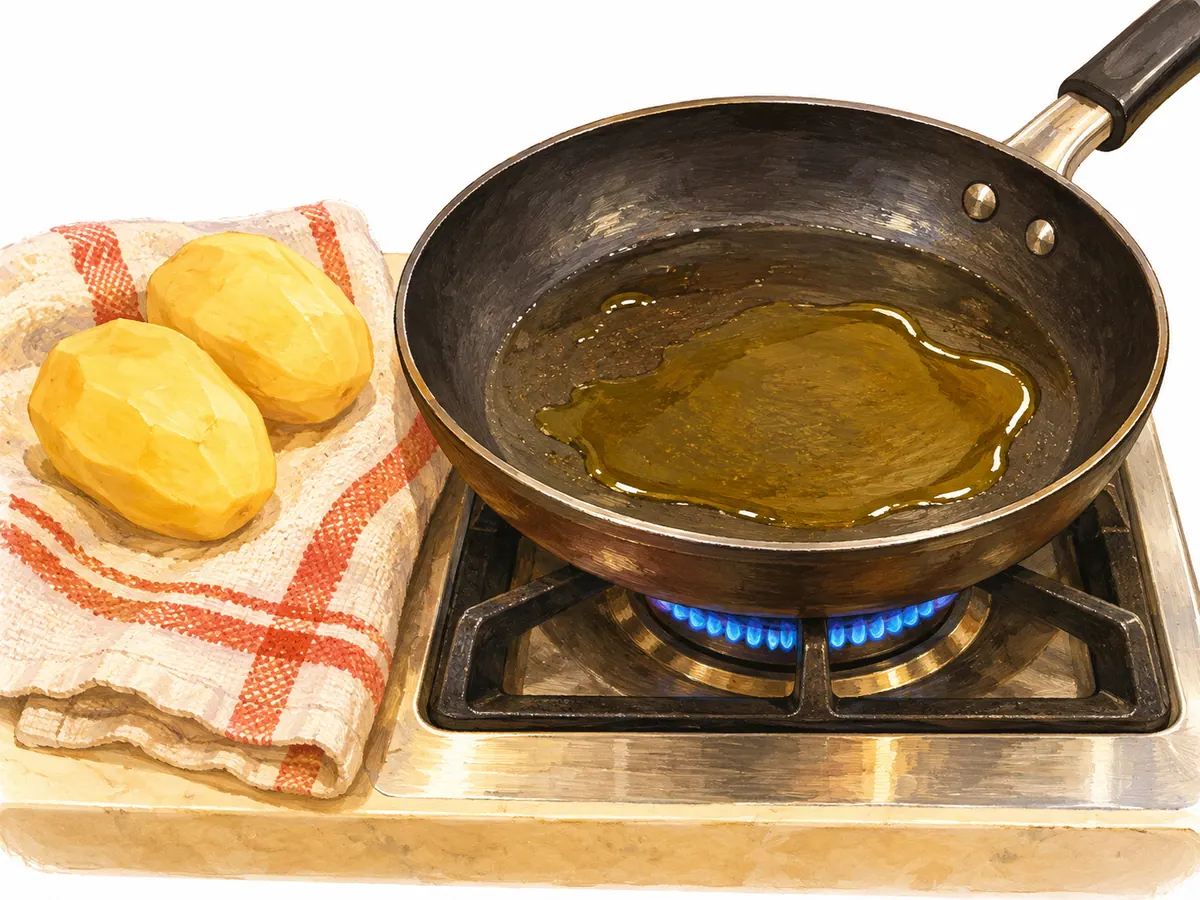
Heat the oil in a 10-inch nonstick skillet over medium heat until it shimmers, about 1 minute. Peel the potatoes first if you have not, and pat the peeler ribbons dry with a towel if they look wet.
AI illustration -
Hold a peeled potato over the skillet and, with a sharp vegetable peeler, shave thin ribbons straight into the hot oil, turning the potato as you go. Spread the ribbons in an even layer, season with 1/4 tsp salt and a little pepper, and repeat with the second potato until the pan is covered.
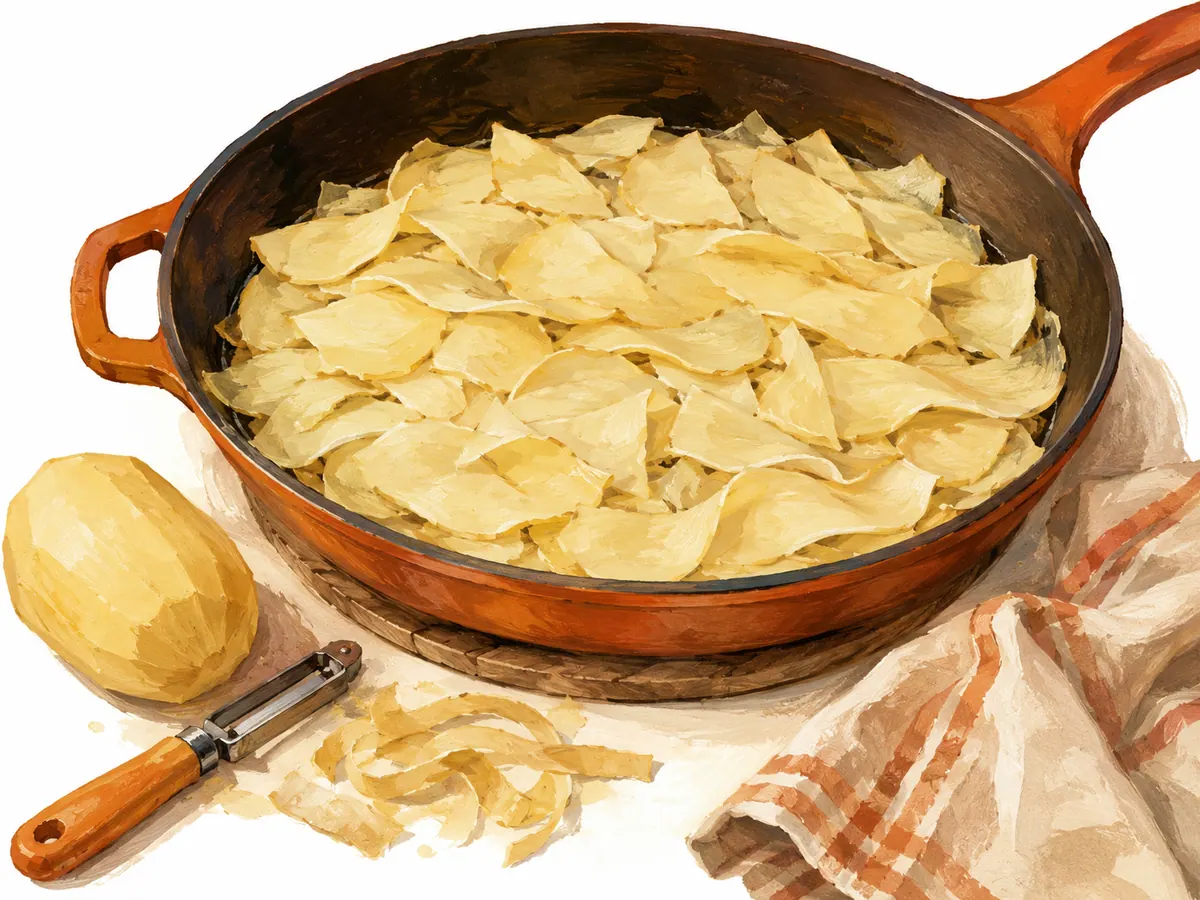
AI illustration -
Cook 8 to 10 minutes, pressing the ribbons flat with a spatula every couple of minutes, until the underside is golden and a ribbon from the middle is tender when you taste it. If the bottom darkens before the middle softens, turn the heat down to medium-low.
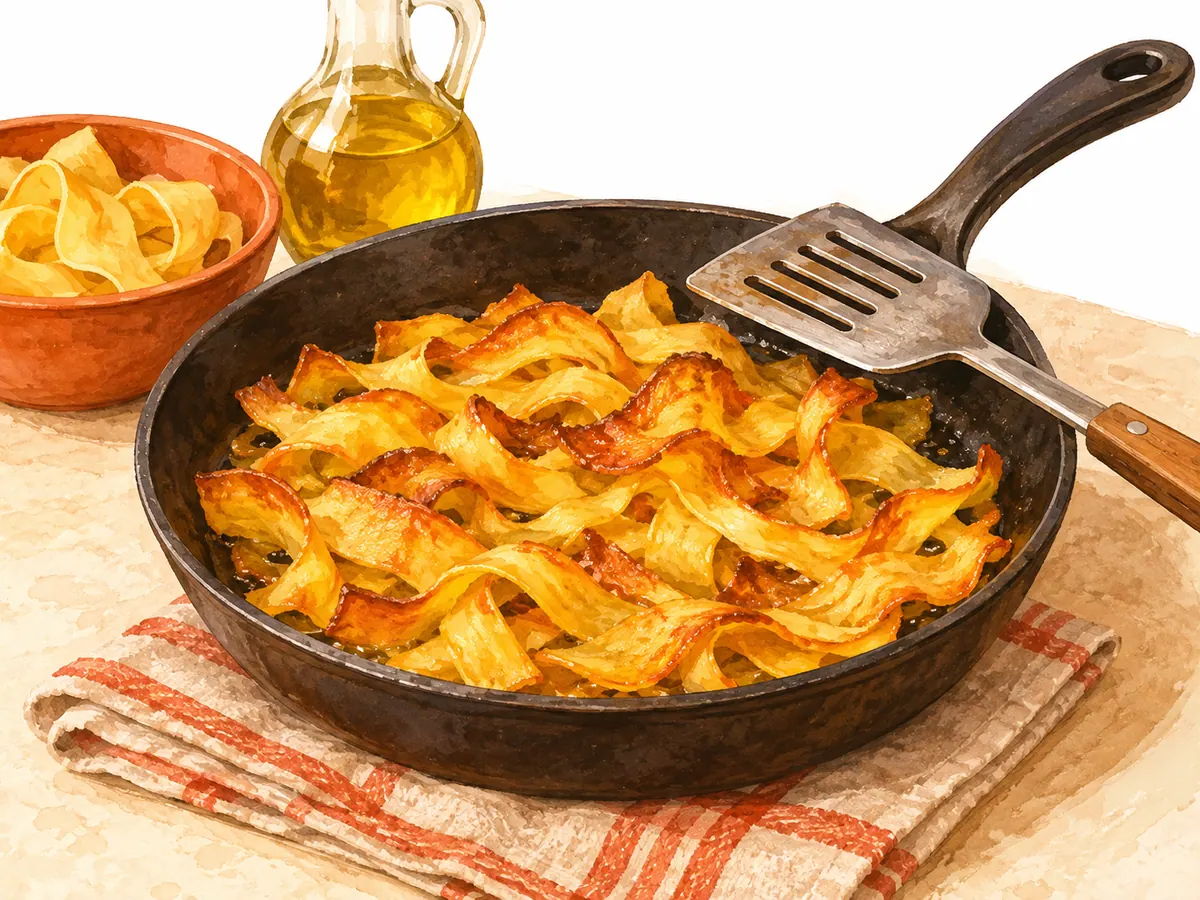
AI illustration -
Beat the eggs with 1/4 tsp salt in a small bowl. Lift the edge of the potato with a spatula, then pour the eggs evenly over the top so they run into the gaps. Scatter the mozzarella over the eggs.
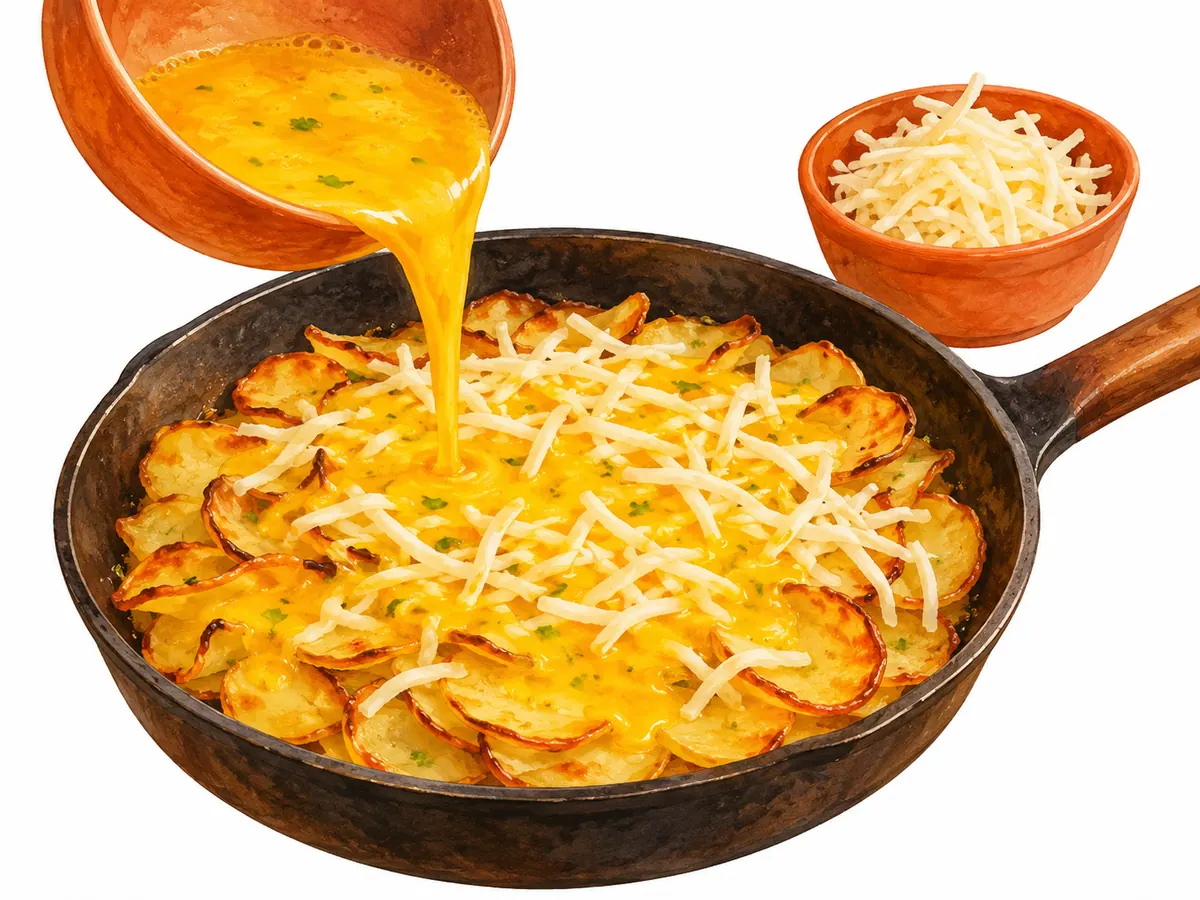
AI illustration -
Turn the heat to low, cover the pan and cook 3 to 4 minutes, until the egg is fully set with no runny wet spots and the cheese has melted. An instant-read thermometer in the center should read 160°F, the USDA safe temperature for egg dishes.
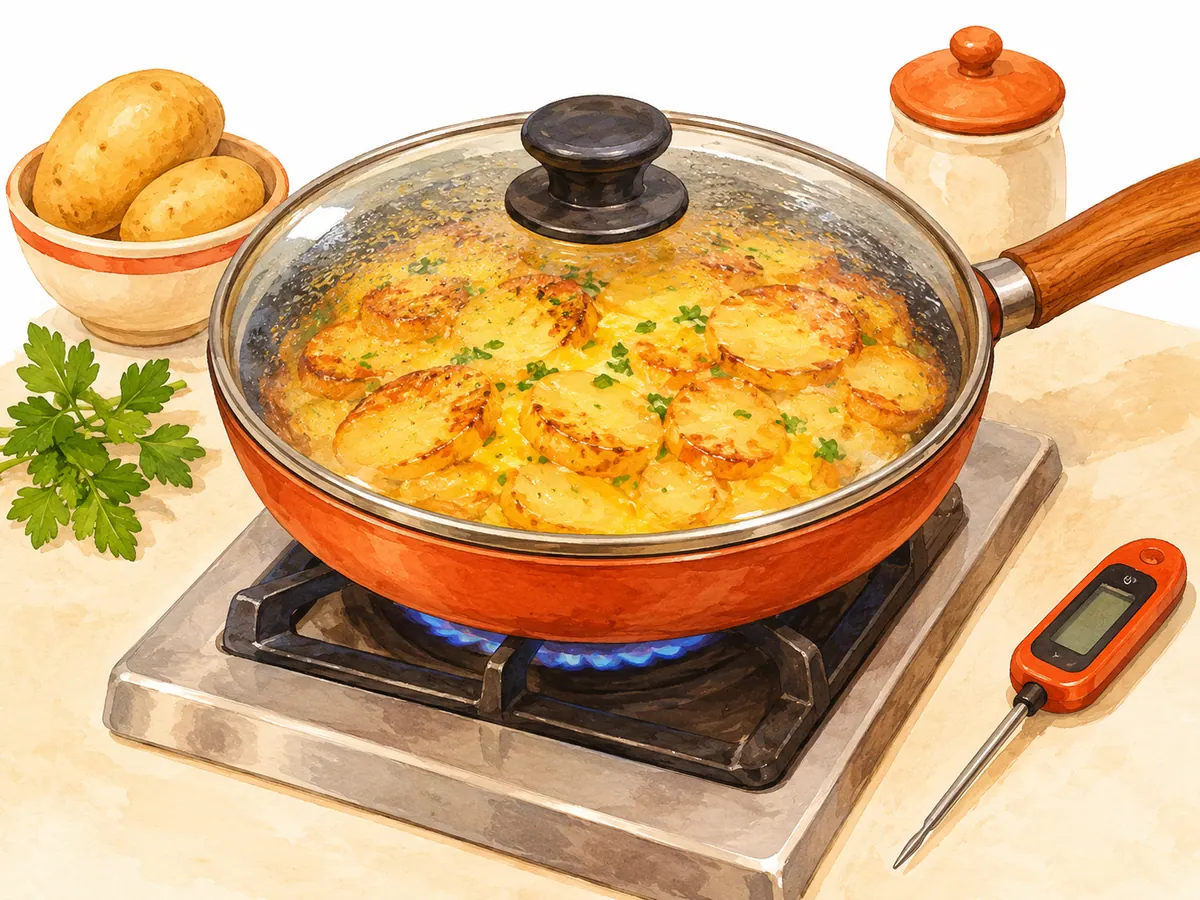
AI illustration -
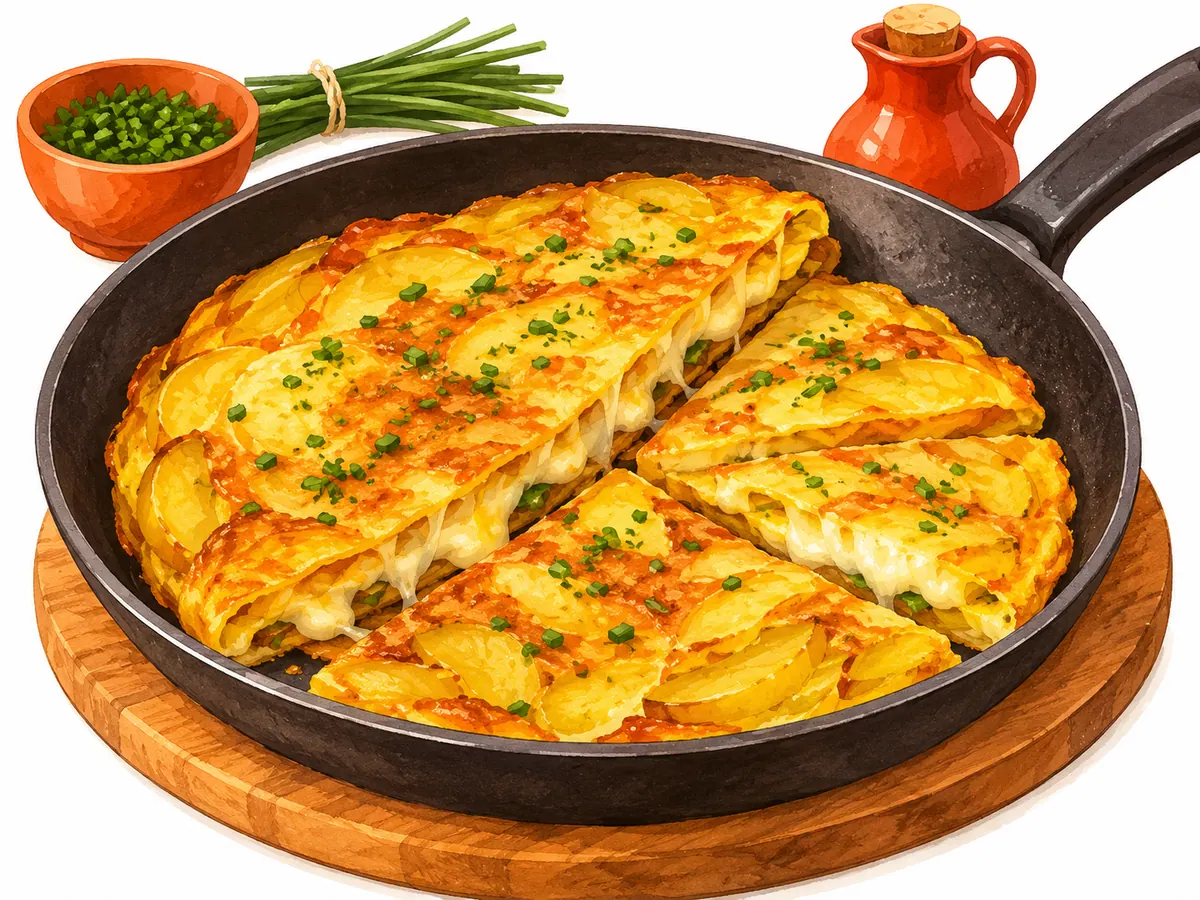
Run the spatula under the edge to loosen the disc, fold it in half, and slide it onto a cutting board. Cut it into wedges with a sharp knife, top with chives if you like, and eat while it is hot and crisp.
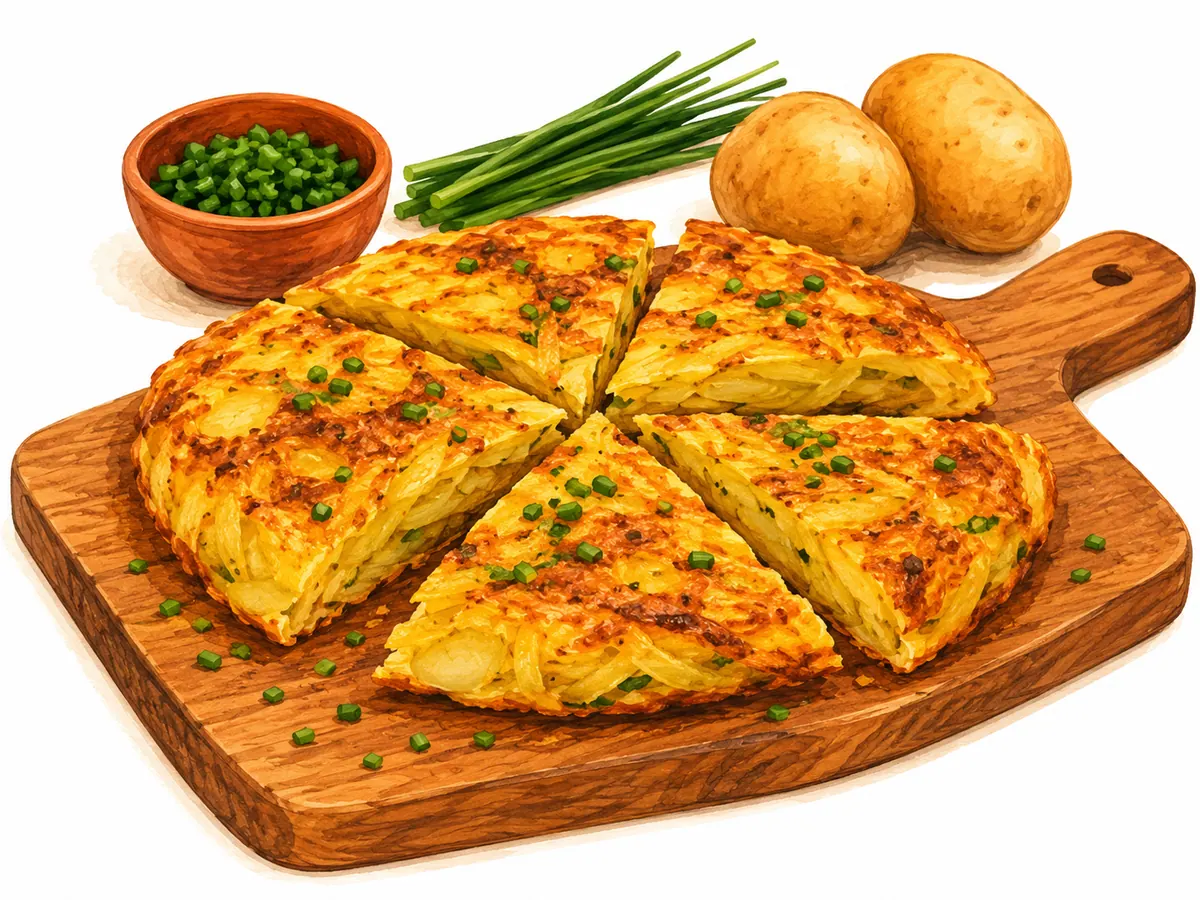
AI illustration
Notes
- Contains egg and milk (the mozzarella).
- The eggs are cooked until the whites are set and the yolks thicken, with no runny wet spots, to the USDA safe temperature of 160°F for egg dishes. The center will not be runny.
- Peel thin, even ribbons. Thick ribbons stay hard in the middle by the time the bottom is golden.
- The reel says about 20 minutes. Our estimate is 20 minutes in all, about 15 of them hands-on.
- No sugar is added to this recipe: 0 g of added sugar. The card total sugar (2 g a serving) is natural sugar from the potato, egg and cheese. A tablespoon of ketchup on the side adds about 4 g of added sugar (label estimate). Worked by hand from the ingredient lists; no online calculator was used.
- Every amount and time here is our estimate.
Swaps
- Use cheddar or a Mexican blend in place of the mozzarella; untested.
- Use sweet potato in place of the white potato; it browns faster, so use medium-low heat; untested.
- Use dairy-free shreds for the cheese; untested.
Storage and reheating
Storage: Cool, then refrigerate in a covered container within 2 hours of cooking. Leftover wedges keep 3 to 4 days (USDA guidance for cooked egg dishes). We have not tested freezing and do not recommend it yet. The potato softens as it sits.
Reheating: Reheat a wedge in a dry nonstick skillet over medium-low heat, covered, for 4 to 5 minutes, or in an air fryer at 350°F for 4 minutes, until steaming hot, 165°F.
Nutrition (1 serving (half the skillet))
- Calories: 335 calories
- Carbs: 23 g
- Sugar: 2 g
- Fiber: 3 g
- Protein: 19 g
- Fat: 18 g
- Sodium: 560 mg
Estimates only, summed from standard USDA SR Legacy values per ingredient. Not medical or nutrition advice.
Where this recipe comes from
- Inspired by Crispy Potato, Egg & Cheese Taco from Alexandra Stafford, which we used for the thin layer with space between the strands, salting early and covering the pan with a lid for 3 to 4 minutes.
- The idea, including the peeler ribbons, came from this reel by @tubabetulkitchen.
How to serve it
Cut into wedges and serve right away with sliced tomato or a handful of greens, and hot sauce if you like. The bottom is crispest in the first 10 minutes.
Every recipe from Diane's reels in one printable book: the Healthy Recipes Cookbook.
Frequently asked questions
Why did my potato come out soft?
The layer was probably too thick or the ribbons were wet. Pat them dry, spread them in one layer with a few gaps, and leave them alone for the first few minutes so the bottom can crisp.
How do I know the eggs are done?
The egg should be fully set with no wet, runny spots. An instant-read thermometer in the center reads 160°F, the USDA safe temperature for egg dishes.
Can I make this without a nonstick pan?
We wrote it for a 10-inch nonstick skillet. A well-seasoned cast-iron pan may work with an extra teaspoon of oil, but we have not tried it.
Save it for later
Pin this to your Breakfast board so it's there when you need it.
Save to Pinterest